
The evolution of gambling From ancient rituals to modern casinos
The Origins of Gambling
The practice of gambling can be traced back to ancient civilizations, where it often intertwined with rituals and cultural beliefs. Archaeological findings reveal that the earliest forms of gambling involved simple games of chance, such as dice games, which were played by the Egyptians as early as 3000 BCE. These early activities were often linked to religious ceremonies, where casting lots was seen as a way to invoke divine favor. Many people are drawn to the exhilaration of games today, where they can find the best online casino experiences that echo the excitement of these ancient traditions.
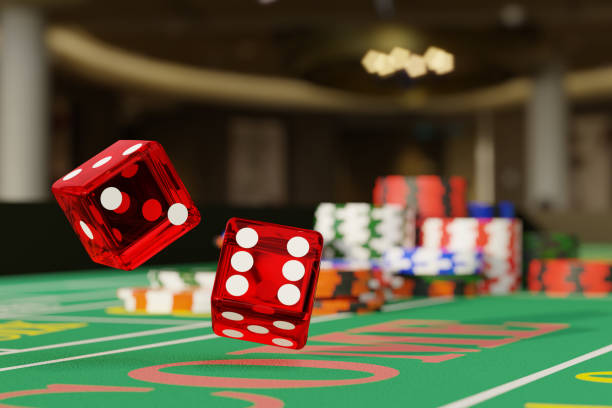
As societies evolved, so too did the complexities of gambling. The Greeks and Romans introduced more structured games, incorporating betting into social activities. This shift laid the groundwork for the organized gambling we see today, with ancient texts describing various betting games that captured the imagination of citizens across the Mediterranean.
The Rise of Gambling in Medieval Times
During the medieval period, gambling continued to flourish, albeit under the watchful eyes of religious authorities. While the Church often condemned games of chance, they nonetheless remained popular among the populace. The introduction of card games during the 14th century marked a significant evolution, with these games quickly gaining traction across Europe. Playing cards provided a new dimension to gambling, allowing for more strategic play and social interaction.
In this era, the first gambling houses began to emerge, primarily in Italy. These establishments paved the way for organized gambling as we know it today. The advent of lotteries, which were used to fund public projects, also represented a significant transformation in gambling, making it more accessible and accepted in society.
The Birth of Modern Casinos
The 18th century witnessed the birth of the modern casino, with establishments opening in cities like Venice and Paris. These casinos became hubs of social activity, attracting a diverse clientele eager to indulge in games of chance. The allure of the casino experience combined with the glamour of the era contributed to the popularity of gambling, leading to an explosion in the number of casinos across Europe.
In the 19th century, the establishment of Las Vegas as a gambling destination further revolutionized the industry. The introduction of slot machines and other innovations brought a new level of excitement and accessibility to gambling, appealing to a broader audience. As the concept of casinos spread globally, so too did the variety of games and experiences offered, creating a vibrant and dynamic gambling culture.
The Digital Revolution in Gambling
The advent of the internet in the late 20th century marked another significant turning point for the gambling industry. Online casinos emerged, offering players the opportunity to gamble from the comfort of their own homes. This digital transformation not only expanded access but also introduced new game formats and betting options that appealed to a tech-savvy generation.
As mobile technology advanced, the gambling landscape continued to evolve. Players can now enjoy a wide range of gaming experiences at their fingertips, from poker to virtual sports. This accessibility has increased the popularity of gambling, leading to a booming online industry that continues to innovate and expand its reach.

A Secure Platform for Modern Gamblers
In today’s digital age, security and trust are paramount for online gamblers. Many platforms now employ advanced security measures, such as encryption and firewalls, to protect users from cyber threats. As the gambling landscape evolves, ensuring a safe and enjoyable experience remains a top priority for both operators and players alike.
The continued growth of the gambling industry reflects its deep-rooted history and adaptability to modern trends. From ancient rituals to contemporary online platforms, the evolution of gambling showcases humanity’s enduring fascination with chance and the thrill of the game.